Even though being a PhD student in peace and conflict studies makes me a bit of an odd duck in planning spaces (a role I’m beginning to relish), planning will always be the field that feels like home. It’s the discipline that opened my eyes to the world, allowed me to make the connections across different fields, and continues to inspire (and frustrate, and energize) me. So imagine my delight getting to spend 9 days – not for the introverted faint of heart – workshopping and conferencing with fellow planners at the World Planning Schools Congress 2026 in Finland.
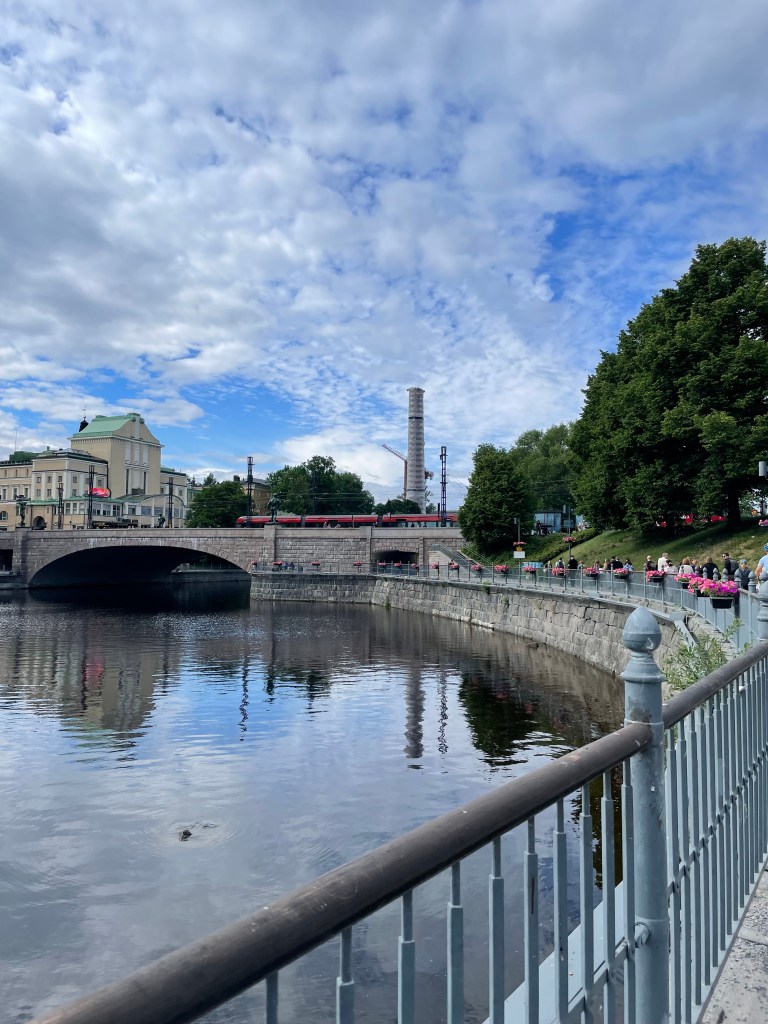
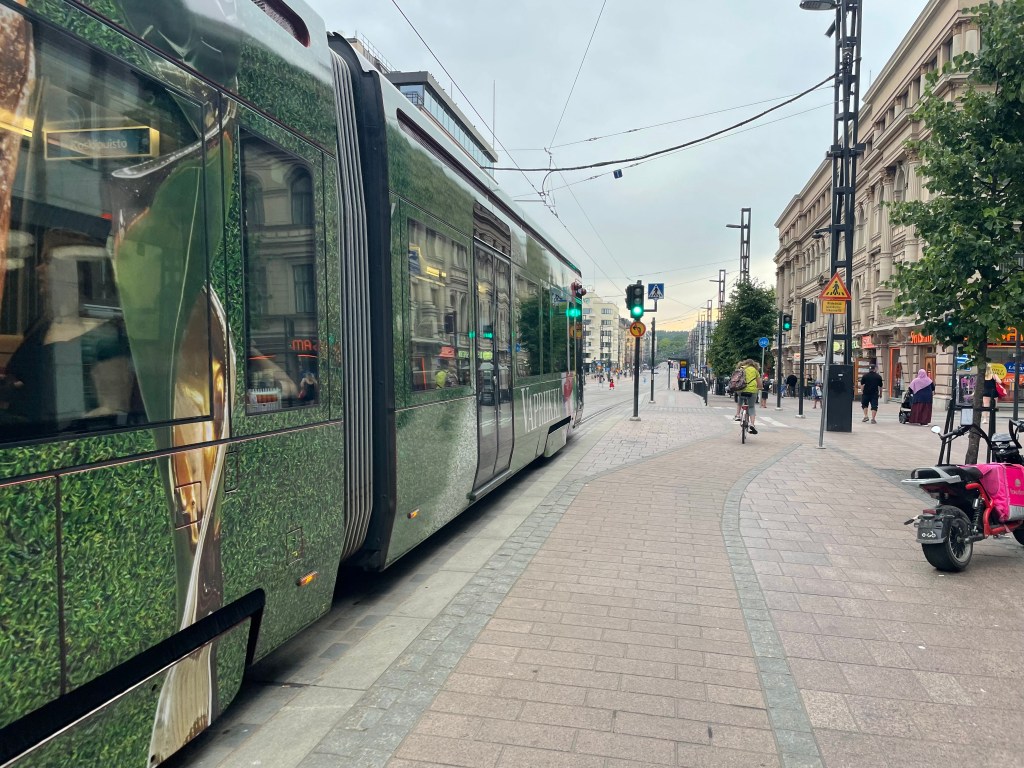
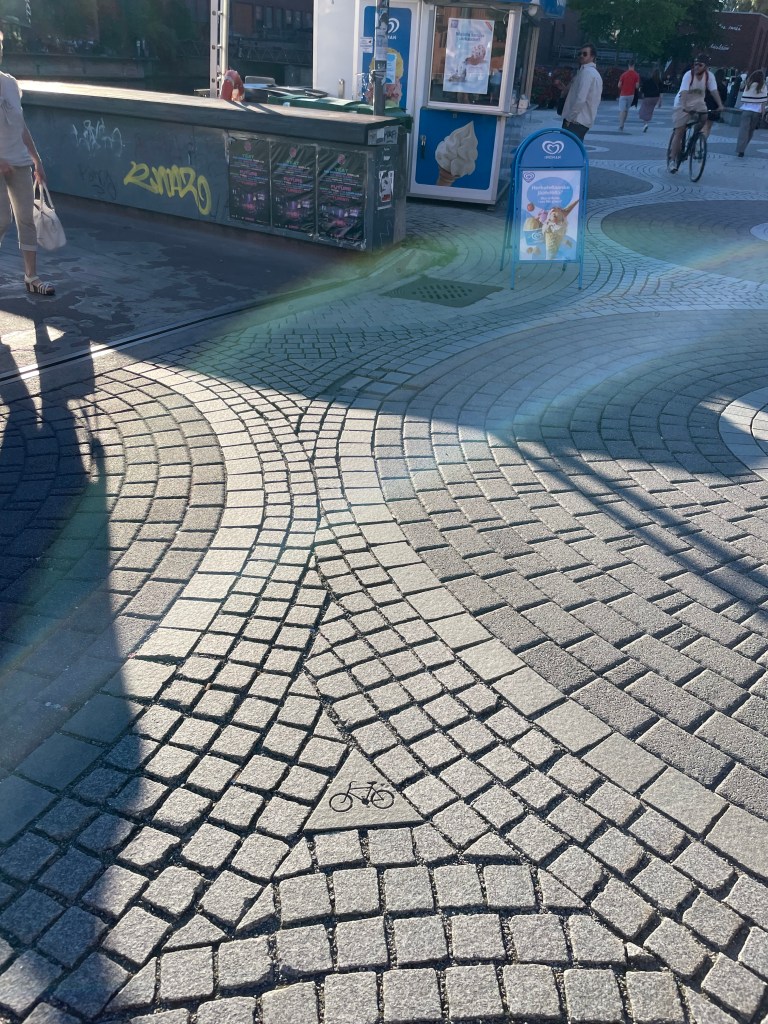
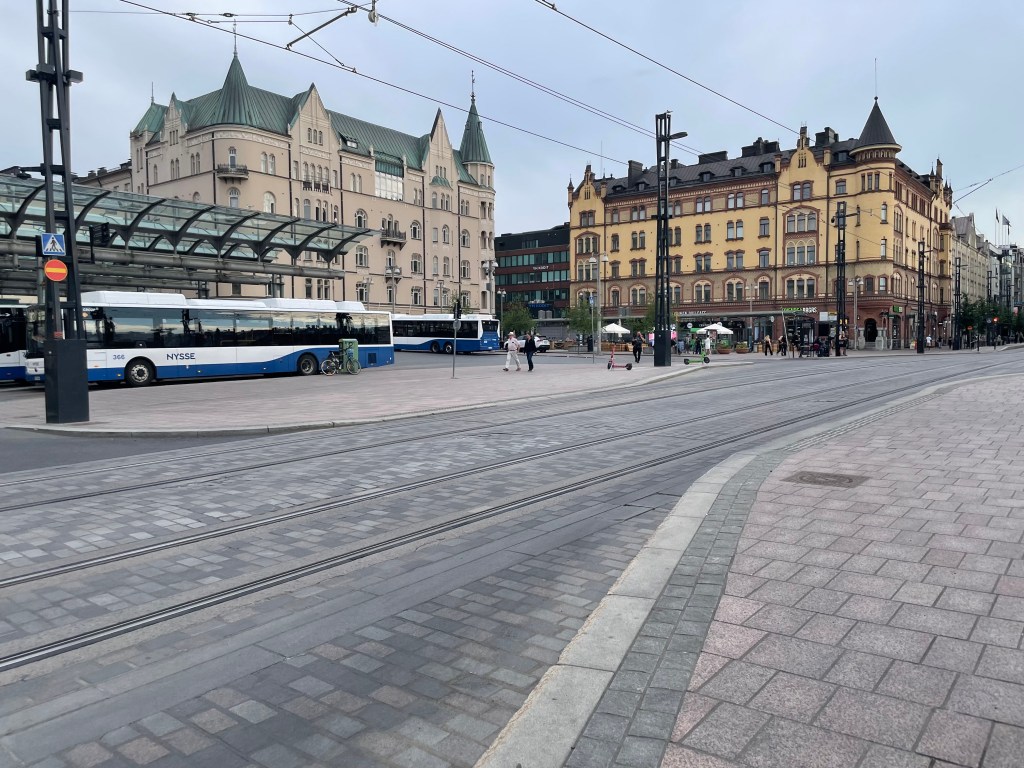
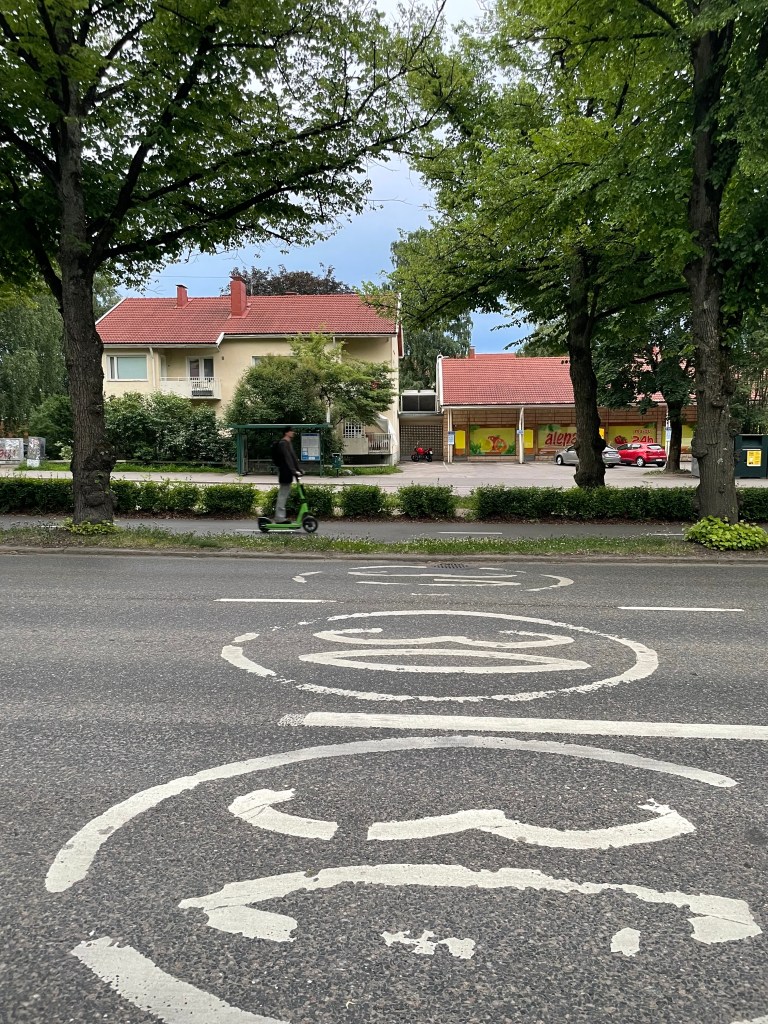
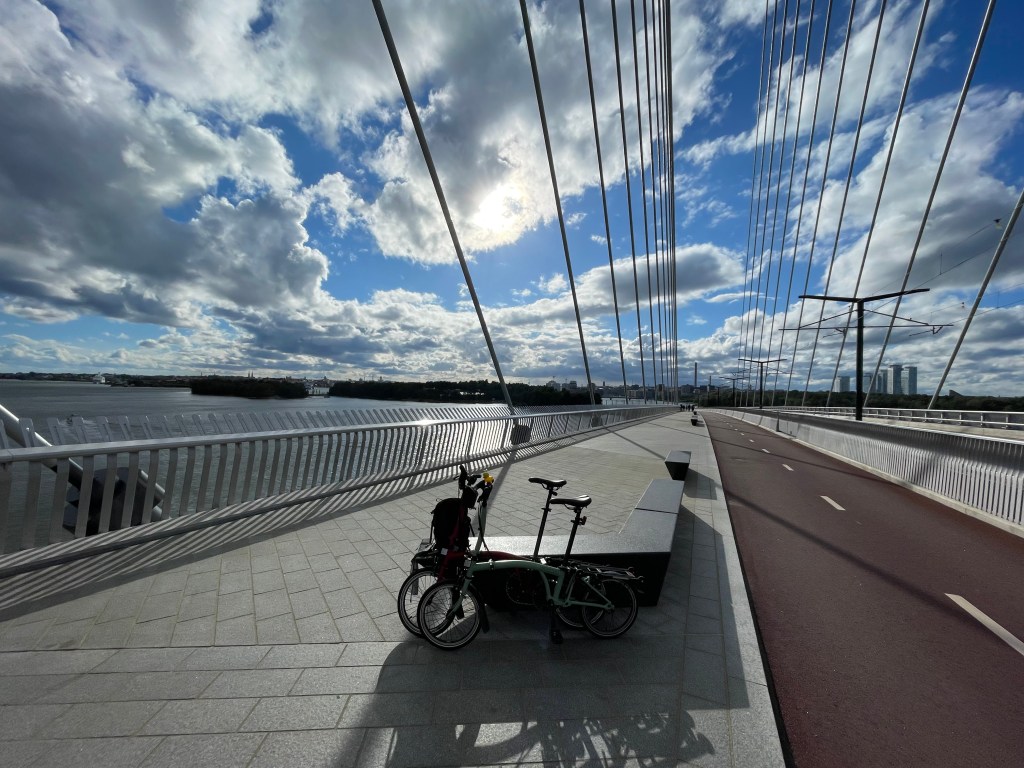
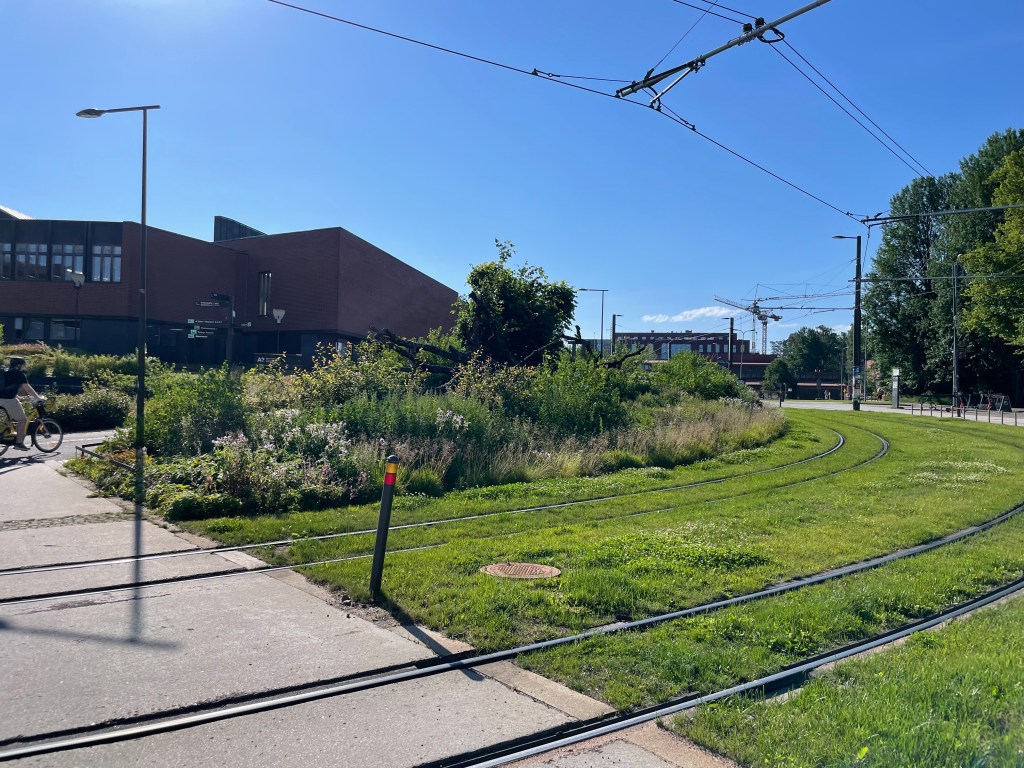
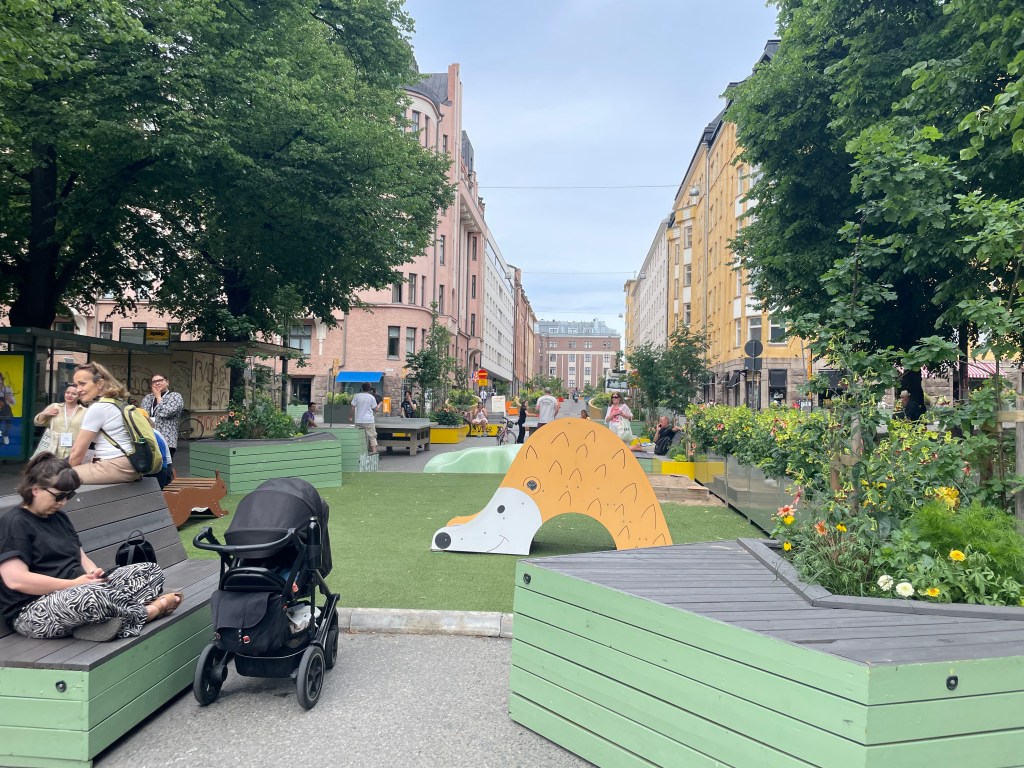
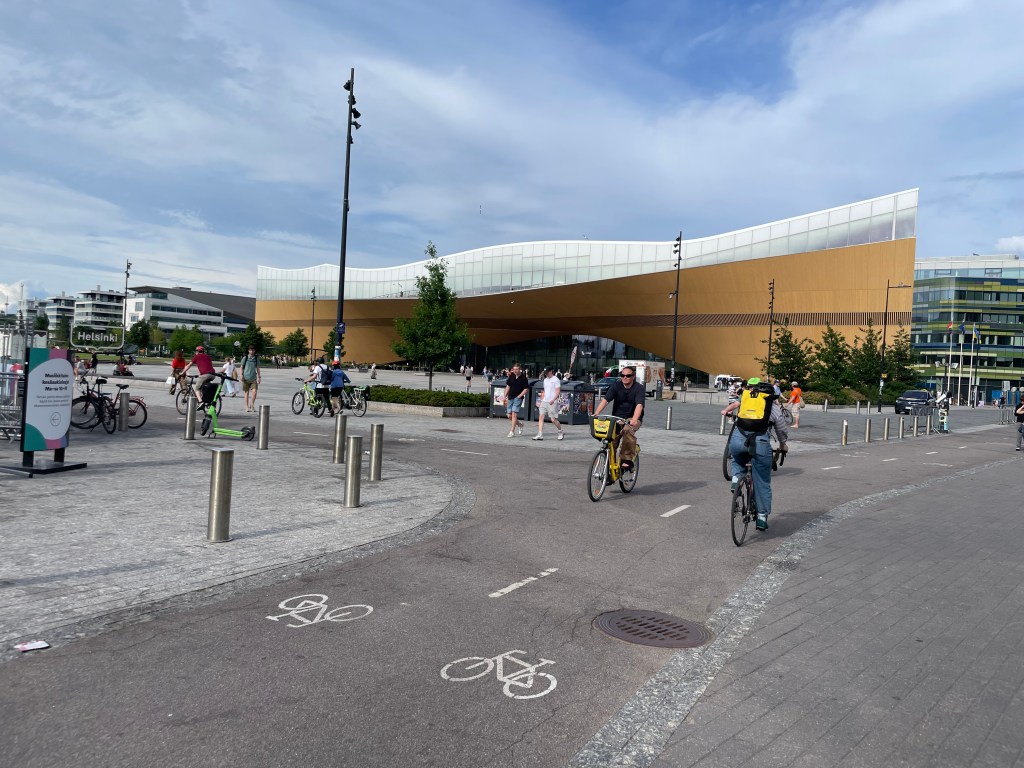
I first had the pleasure of participating in the pre-conference PhD workshop where I met more than 50 PhD students from around the globe pushing the field in exciting – and necessary – new directions. What a joy to be surrounded by brilliant rising scholars, supported by insightful faculty mentors, and assisted by helpful organizing staff in the lovely city of Tampere. The main conference in Espoo and Helsinki gave me a wonderful opportunity to not only connect with researchers doing incredible work to make our communities healthy and inclusive, but also to present my own findings on combating car supremacy with care. I was fortunate to be able to stick around a few days after and left completely charmed by Helsinki – with a car-free bridge built expressly for the needs of people walking, rolling, and tramming (?), how could I not be?



The conference theme was ‘peripheral visions,’ and my work with bike buses seemed almost tailor made for envisioning a different way of being from the margins. As I was putting my workshop presentation together, though, I stumbled upon a paradox. Bike buses are organized to fill a tremendous (and tremendously shameful) gap in transportation planning. Anytime a group of adults has to volunteer once a week to be the physical infrastructure our streets otherwise lack so that kids – sometimes not even their own – can use an active mode of mobility to get to school is a colossal state failure. Indeed, this sentiment was echoed time and again in my interviews with bike bus organizers. And yet, they would always continue on to share all the amazing things that have come from their experience. Meeting other caregivers. Spending time with their kids. Feeling a sense of purpose. Building community.
Therein lies the paradox – if the state had upheld its responsibility to maintain the health and wellbeing of its residents (regardless of age) through the provision of safe mobility infrastructure, these positive outcomes may not have been realized. I *of course* want the safe mobility infrastructure, but this research offered a nugget of silver lining to buoy my spirits when the field I hold so dearly – planning – lets me down. For others toiling at the periphery to imagine a better world, recall the special kind of beauty in a dandelion sprouting through cracked concrete…maybe there’s one waiting to be found.
There are more adventures ahead but in the meantime, I invite you to get curious – what comes to mind when you imagine a peaceful transportation system? ☮️ 🚸


Leave a Reply