Safe streets advocates frequently talk about traffic violence – when a person dies or is grievously injured because they were involved in a car crash. Lately I’ve been weary of using this term. While in some spaces we might think of traffic as rather benign (“the store had decent foot traffic its opening weekend” or “how much website traffic did your new IG story generate?”), when used in parallel with cars it is almost assumed to mean something negative (“this traffic is going to make us late!”). Using it to
PARDON THE INTERRUPTION but we have an important (and poorly timed 😬) Public Service Announcement:
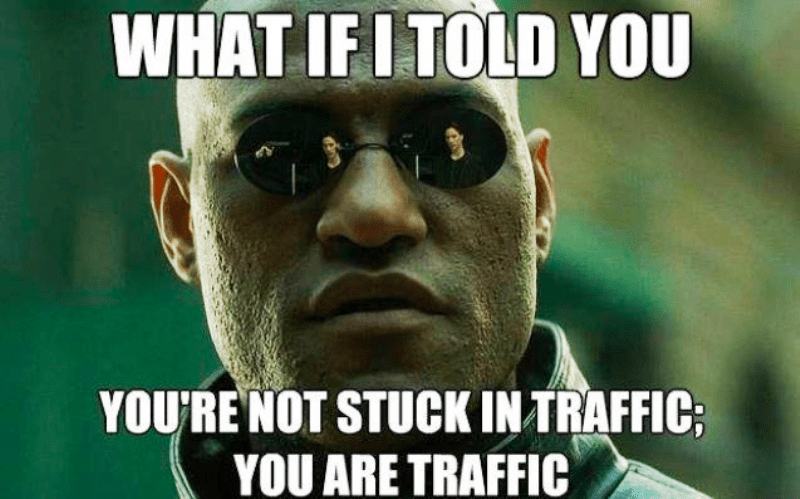
…Using it to describe the awful consequences of a car crash makes it seem like the crash happened because there were so many cars…which, thanks to the principles of system dynamics, is the opposite way a street network tends to function (a pertinent example of this is when fatalities – counterintuitively for some – increased during pandemic stay-at-home orders; with fewer cars on the road, people felt more comfortable speeding, which led to more crashes). What I’ve been trying to do instead is to plainly call these tragic incidents “car crashes” or even reference vehicular violence. The more I’ve been thinking about it, though, the more I want to use vehicular violence as an umbrella term that covers car crashes and the myriad other ways cars inflict violence on society.
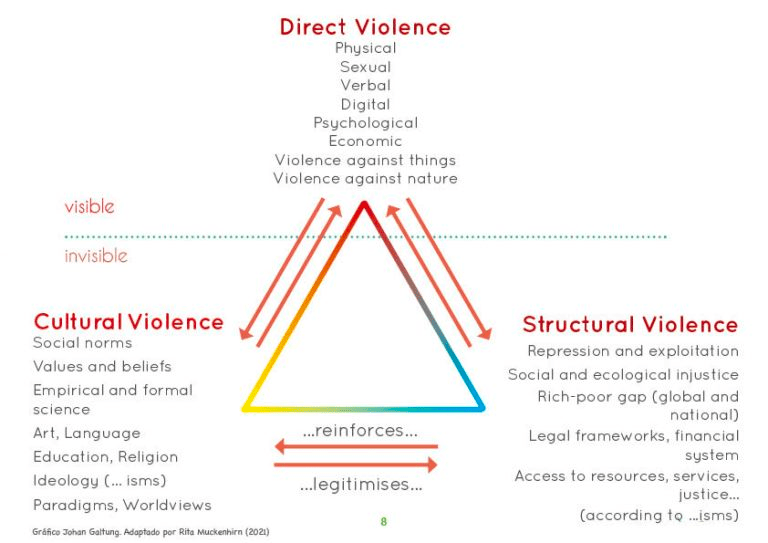
Let me explain: One of the first scholars a peace and conflict student encounters is Johan Galtung, an influential Norwegian sociologist who developed a theory of violence comprised of three nodes: direct violence (think: intentional, bodily harm, interpersonal), structural violence (think: indirect, emanating from the structure – e.g., institutions, processes – itself), and cultural violence (think: symbols and practices that legitimize direct and structural violence). For regular readers of this blog, you might have a sense of how this plays out when applied to car dominance:
- Direct violence: hit and runs, rolling coal, punishment passes, close calls, verbal abuse of cyclers and pedestrians, aggressive driving, driving under the influence, studies that have explored the correlations between factors like traffic and aggressive driving with intimate partner violence, really any connection between cars and toxic masculinity 😡🙄🤮
- Structural violence: chronic health conditions related to air and noise pollution, bulldozing poor communities of color to make way for highways, restricting safe and affordable mobility by prioritizing investments in car infrastructure at the expense of all other modes, social isolation of car-focused development, lack of enforcement for illegal driving practices, lack of regulatory oversight of automotive manufacturers that are designing cars to be more deadly, degrading natural ecosystems…this list could go on for awhile
- Cultural violence: car commercials and advertisements that feature themes of settler colonialism or environmental destruction, biases in police and media reporting that blame cycler and pedestrian victims, using the word “accident” instead of “crash,” making the drivers license the de facto national identity card in the US, negative depictions of non-car-users in popular culture (40 Year Old Virgin, anyone?), every movie starring (that’s right, cars are people, too!) a car (especially those that glamorize speed and aggressive driving like “The Fast and the Furious” franchise…it’s literally in the title, people!), etc.
These are not hard and fast categorizations – many of the concepts are intricately connected or could be situated in two (or three) different corners of the triangle, and honestly I’m not even sure where I would put crashes themselves…at what point in the entire process of someone’s life being destroyed due to a car crash is there enough intentionality to label it “direct” violence? Does it matter? And to the point of this post, what might we use instead of “traffic violence” to characterize the impacts of someone dying or being seriously injured due to a crash?
As a movement, it is critically important to call attention to the public health crisis we face when it comes to the people who needlessly perish in – or whose lives are permanently altered because of – preventable crashes…but there is a lot more damage borne by society due to our reliance on cars, and this burden is sustained, reinforced, and normalized by a whole messy web of more pernicious and pervasive forms of violence that – curiously – enable us to willfully ignore all of it. We lack language to fully encapsulate all the ways cars contribute to negative societal outcomes; by focusing only on crashes we miss opportunities to draw attention to the other harms that come from our inequitable modal hierarchy and to partner with potential allies who could offer vital energy and resources to rectify these injustices.
While I work on a follow-up post on other language I’d like to introduce into everyday lexicon, I invite you to get curious – what comes to mind when you envision a more peaceful transportation system? ✌️🚸

 Peace and Planning
Leave a reply to Can you tackle car supremacy if you…live in the ‘burbs? 😱 – Peace and Planning Cancel reply