Last week I was fortunate enough to be able to attend not one, but two conferences – TCamp and the Crossroads Convening. In addition to talking about freedom at TCamp, Jarrett Walker also briefly discussed the problematic terminology of “captive” transit riders, i.e., those that have no other option but to ride the bus or train. However, I don’t recall him calling into question the equally dubious use of “choice” to describe those who have the option to not rely on public transit (the focus of his remarks). At both conferences I was reminded of how much I bristle at splitting non-car drivers into two groups based on whether someone might otherwise be able to drive. As someone who is a “choice” rider (in my case, I can drive but choose not to, do not own a car, and often get car sick when I’m a passenger), there are several reasons why I disagree with the premise.
- When we use language like “choice,” it seems to imply that the “choice” rider can conjure up a car and thus have transportation needs that are not as legitimate as non-“choice” riders. I may be able to afford a rideshare from time to time but permanently relying on rideshare would not be a financial feasible option for me (nor would spending $12,000 a year to own a car). In other words, in any *given* moment as a choice rider, the only option I would have outside of walking, biking, and taking public transit would be to call a rideshare (not magically make a personal vehicle appear).
- The way choice is used seems to indicate that car driving is/should be the default “choice.”
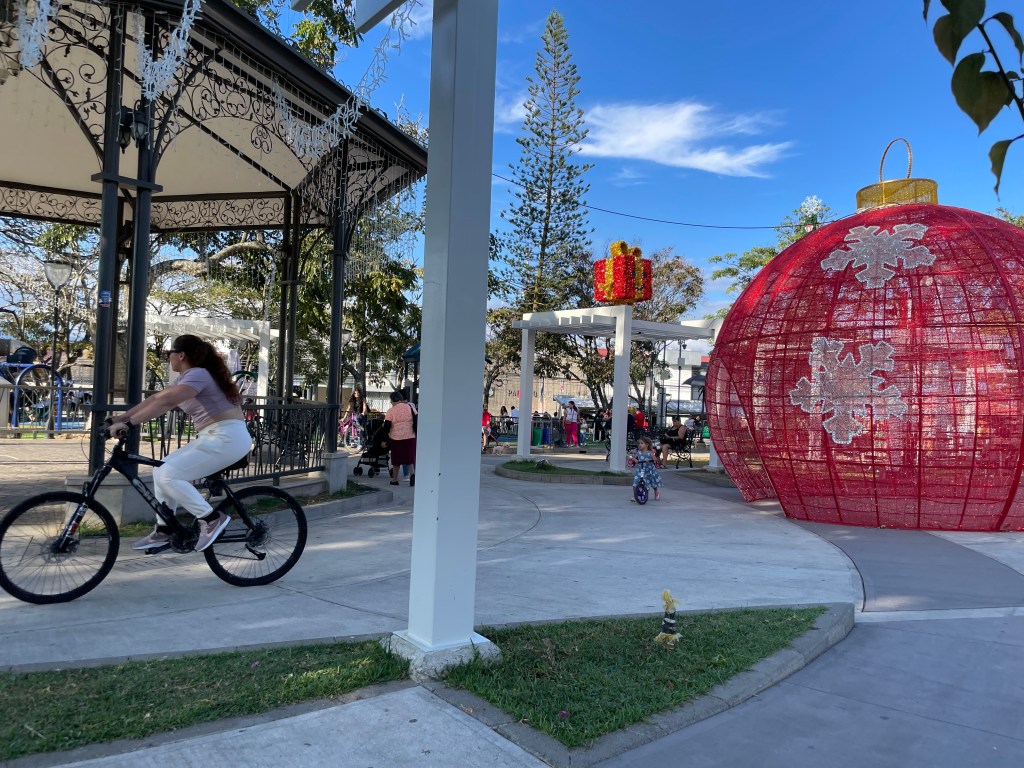
- Rather, I would the choice to take a bus, a subway, a train, bike, walk, or even modes like an (affordable) ferry (as someone who lives in Southwest DC, I’m looking at you Georgetown 👀). I want the framing to be any and all choices between non-driving modes, not between driving and a (single) non-driving mode. I want people to not have to choose between exactly zero and one crappy options when they set out to learn how to ride a bike.
- We should not only want everyone to have a good alternative to driving (or, conversely, to many mobility options not including driving) but also incentivize people with privilege (whether that’s because they can afford to own a car or live in a transit-rich place, or because they are able-bodied enough to drive a car, or because they are an age where driving is legal, etc.) to not drive.
- If we do not, we perpetuate the idea that certain modes of transportation are only for certain people and in turn bolster stigmas around riding the bus, biking, or walking/rolling.
- Until public transit, biking, and walking are viable, compelling alternatives to driving (or, preferably, to each other – see #3), we might not ever get the mode split we seek because there is such a strong cultural bias to drive that we fail to consider. It’s not just about making transit, etc. *almost* competitive with driving, it’s about making it the obvious choice, both because it is far superior in its own right and because driving has been made suboptimal in every way that we can via the policy and infrastructure mechanisms available.
- While this might not apply as much to public transit, in transportation advocacy for walking/rolling and biking/scooting infrastructure, we should not be in the business of saying that any one person deserves to live more than another person. This is because:
- It is morally wrong. Whether you wear Lycra should not mean you don’t deserve a protected bike lane.
- It disregards how transportation systems work. In their traditional sense (ignoring, for a moment, the fact that I don’t believe this is the only sense by which they should be measured), the value of transportation systems is inherently derived by their ability to connect more origins to more destinations for more people. In practice, this means a low-income person may live in a low-income neighborhood and work in a high-income neighborhood, and use walking/rolling or biking/scooting (or transit + walking/rolling, for that matter) infrastructure in each. We cannot assume that only certain types of people will use certain types of modes/infrastructure in certain places.
- It complicates the narrative when we try to push for policies like road pricing, since opposition is so often about those who cannot afford tolls (are those “choice” or “captive” drivers?).
- Last but not least, it risks shaming people about exercising their “choice” not to drive. We should welcome any and all people who do not drive regardless of the reason.
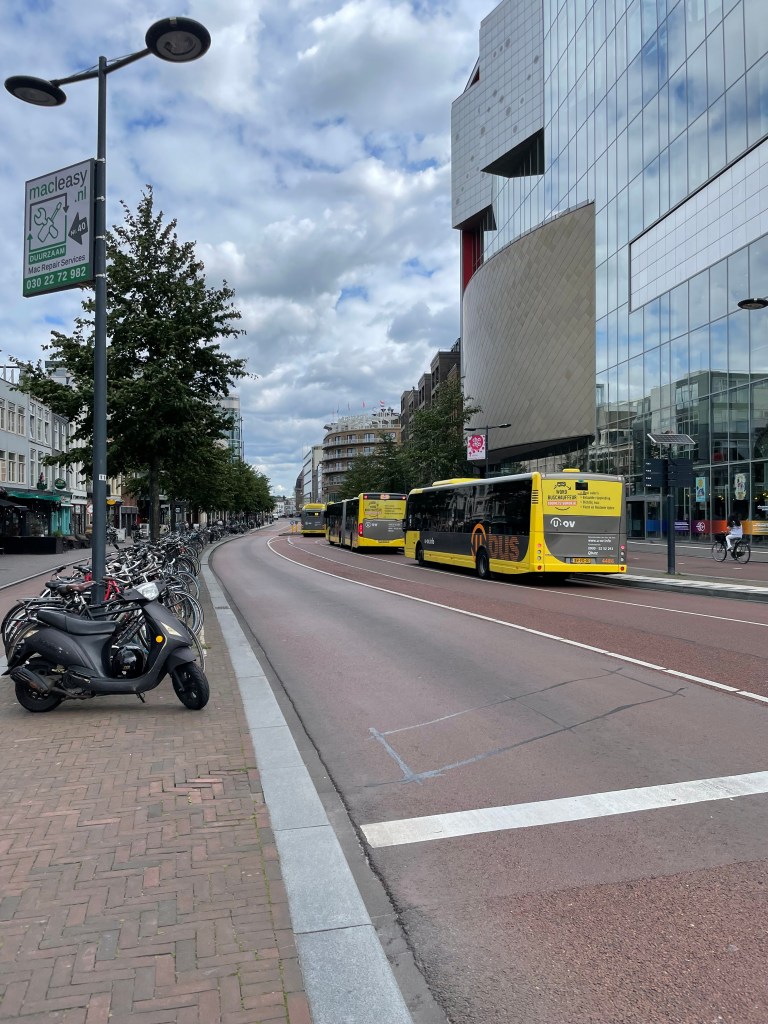
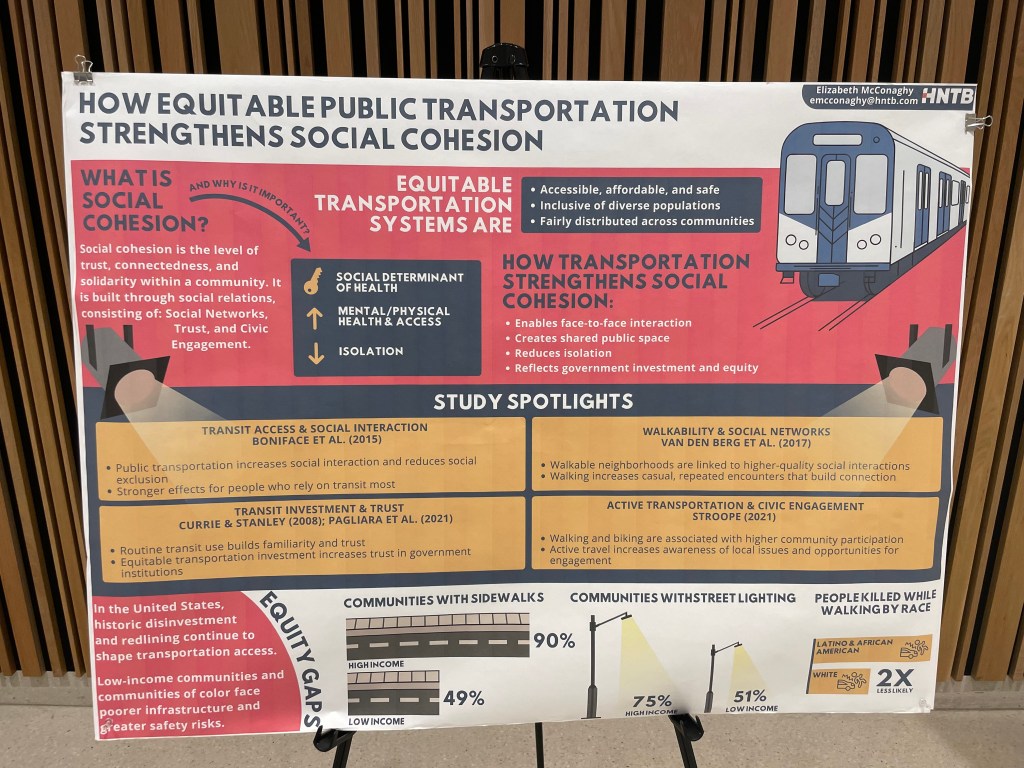
Ultimately, distinguishing between “captive” and “choice” riders is a false choice. We need language and policies that encourage massive mode shift from cars to literally anything else. We need to build and operate robust transit systems, construct and maintain high-quality walking/rolling and biking/scooting networks, and implement and support effective land use policies that create higher density neighborhoods, more affordable units, and mixed-use developments. We can – and should – learn from the diverse experience of others to optimize those systems (such as recognizing the necessity of audible signals for blind pedestrians and bus riders) and we can – and should – leverage the full range of lived experiences to prioritize projects (like moving a bus rapid transit project in a neighborhood where most residents cannot afford buying or ridesharing a car to the top of the list). But we should not fall into the trap of splitting the world into those who can choose and those who cannot given what such a dualism implies. What kind of a “choice” is it when the alternative puts other lives at risk, pollutes the environment, reduces social cohesion, and realizes dozens of other harms associated with driving a car?
Next week, I’ll share some thoughts on another piece of language that drives me a bit bananas but in the meantime, I invite you to get curious – what comes to mind when you envision a more peaceful transportation system? ☮️🚸
 Peace and Planning
Leave a comment